
Choosing the Right Electronics Repair Shop: What to Look For
Need electronics repair but don't know where to go? Learn what to look for in a repair shop and how to avoid common pitfalls.
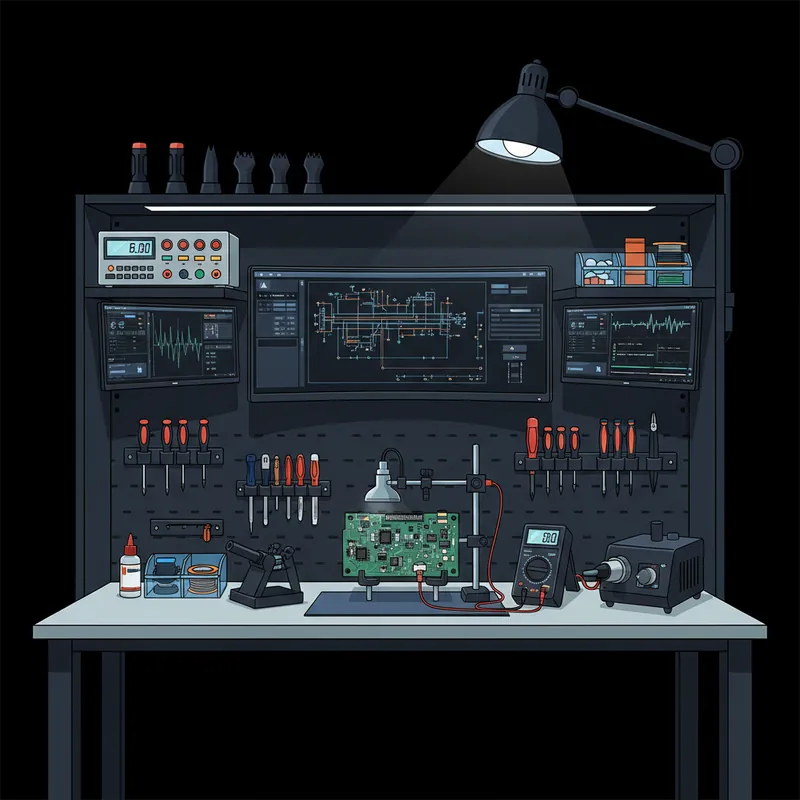
When your TV, computer, or audio equipment breaks, finding the right repair shop matters. The wrong choice can mean wasted money, further damage, or equipment that fails again quickly. Here’s how to find a repair shop you can trust.
Red Flags to Watch For
Warning Signs
Avoid shops that:
- Quote prices without seeing the device
- Pressure you into immediate decisions
- Can’t or won’t explain what’s wrong
- Have no physical location
- Have numerous negative reviews
- Won’t provide written estimates
- Claim everything is fixable
Pricing Red Flags
- Extremely low diagnostic fees (may indicate upselling)
- No estimate before repair begins
- Charges that exceed the estimate significantly
- “Minimum charges” that equal a full repair
- Hidden fees not disclosed upfront
Green Flags: Signs of a Good Shop
Transparency
Look for shops that:
- Offer free or low-cost diagnosis
- Explain problems clearly
- Provide written estimates
- Tell you honestly if repair isn’t worthwhile
- Show you the failed components if you ask
Expertise
Evidence of expertise:
- Specific experience with your equipment type
- Knowledge of common failures
- Proper test equipment visible
- Can answer technical questions confidently
- Specialization (audio, computers, etc.)
Business Practices
Professional operations:
- Physical storefront with regular hours
- Clear pricing policies
- Warranty on repairs
- Reasonable turnaround estimates
- Good communication during repair
Questions to Ask
Before Leaving Your Equipment
- What’s your diagnostic process?
- Is there a fee if I don’t proceed with repair?
- How long will diagnosis take?
- Will you call before doing any work?
- What’s included in the estimate?
About the Repair
- What exactly is wrong?
- Why did it fail?
- What parts are being replaced?
- How long should the repair last?
- What’s the warranty?
About the Shop
- How long have you been in business?
- Do you specialize in certain equipment?
- What brands do you commonly work on?
- Where do you source parts?
Types of Repair Services
Manufacturer/Authorized Service
Pros:
- Genuine parts
- Factory training
- May maintain warranty
- Access to service bulletins
Cons:
- Often more expensive
- May have long wait times
- May replace rather than repair
- May not work on older equipment
Independent Repair Shops
Pros:
- Often more affordable
- May repair what manufacturers won’t
- Personal service
- Local community business
Cons:
- Quality varies widely
- May lack specific training
- Parts sources vary
- No manufacturer backing
Mail-In Services
Pros:
- Access to specialists anywhere
- May be only option for rare equipment
- Can be economical
Cons:
- Shipping risks and costs
- Longer turnaround
- Harder to communicate
- Can’t easily show problems
Big Box Store Services
Pros:
- Convenient locations
- May bundle with other services
- Brand name backing
Cons:
- Often outsourced
- Limited expertise
- May push extended warranties
- Often replace rather than repair
What Good Repair Looks Like
The Diagnostic Process
A thorough shop will:
- Verify the reported symptoms
- Test related systems
- Identify root causes
- Look for additional issues
- Document findings
Communication
Good shops keep you informed:
- Call with diagnosis results
- Get approval before repairs
- Update on delays
- Explain what was done
Quality Work
Professional repairs include:
- Quality replacement parts
- Clean, careful workmanship
- Proper testing after repair
- Reassembly that looks undisturbed
- Reasonable warranty
Understanding Repair Economics
When Repair Makes Sense
- Device has significant remaining value
- Repair cost is reasonable vs replacement
- Repair will last (not temporary fix)
- No better use for the money
When Repair Doesn’t Make Sense
- Repair approaches replacement cost
- Device has other issues likely to fail
- Technology has moved on significantly
- Device is low-end and cheaply replaced
A good shop will tell you honestly when repair doesn’t make sense.
Our Approach
At Roanoke Amp & Electronics Repair, we believe in:
Free Diagnosis
- No charge to find out what’s wrong
- No pressure to proceed
- Honest assessment of repair value
Clear Communication
- Plain English explanations
- Written estimates before work
- Updates during repair process
Quality Work
- Quality replacement parts
- Experienced technicians
- Warranty on our repairs
Honesty
- We’ll tell you if repair isn’t worth it
- No upselling unnecessary services
- Our reputation depends on trust
Finding Us
We’re located in Roanoke, Virginia, serving the Roanoke Valley and surrounding areas including Salem, Vinton, Christiansburg, and Blacksburg.
Need electronics repair done right? Contact us for a free diagnosis and honest assessment.
Tags:
Need Professional Help?
If you've tried these troubleshooting steps and your device still isn't working, we're here to help. Bring it in for a free diagnosis - we'll figure out what's wrong and give you a clear estimate before any work begins.
Get a Free Diagnosis