
Electric Guitar Amp Troubleshooting: Common Problems and Fixes
Guitar amp has no sound, buzzing, or crackling? Learn how to troubleshoot common electric guitar amplifier problems and when to call a professional.
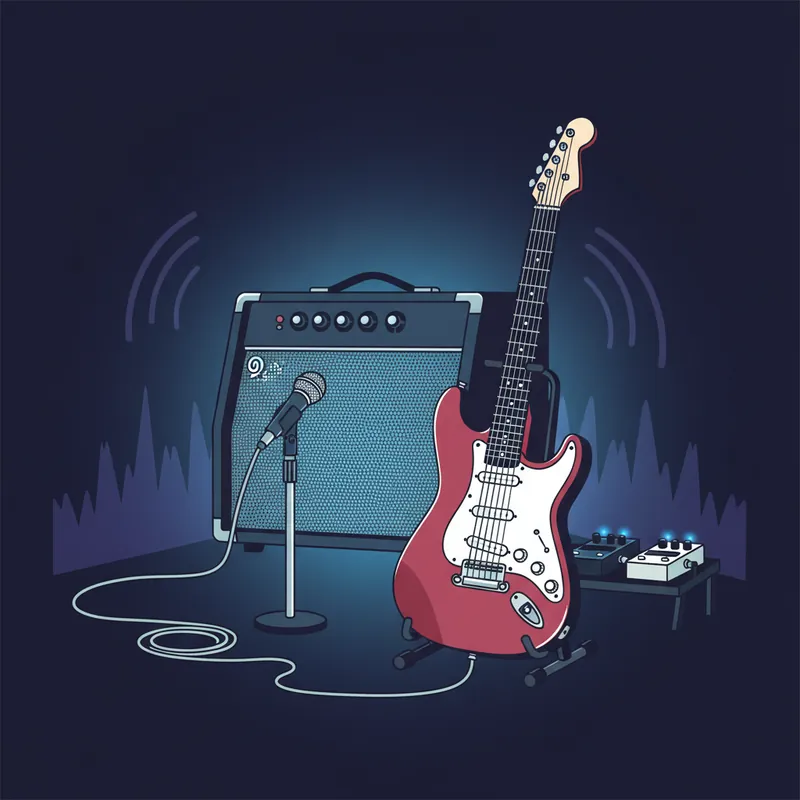
When your guitar amp stops working or starts making strange noises, it can bring your practice session or gig to a halt. Before you panic, many guitar amp problems have simple solutions. Here’s how to troubleshoot common issues.
Safety First
Important warning: Tube amplifiers contain lethal voltages even when unplugged. If you have a tube amp, limit your troubleshooting to external checks unless you’re trained to work with high-voltage electronics. Solid-state amps are safer but should still be treated with respect.
No Sound At All
When you plug in and get silence:
Check Your Signal Chain
Work backwards from the amp:
- Amp settings - Is the volume up? Is the correct channel selected? Is standby off?
- Speaker cable - Is the speaker connected? Try a different cable
- Effects pedals - Bypass your pedal board entirely
- Instrument cable - Test with a known good cable
- Guitar - Test with a different guitar if possible
Check the Obvious
- Is the amp plugged in?
- Is the power switch on?
- Is the fuse intact? (Usually accessible from the back)
- Are you using the correct input jack?
Test the Speaker
Connect a different speaker or cabinet if possible:
- If sound returns, your speaker may be damaged
- Check speaker connections inside the amp
Tube Amps: Check the Tubes
Look at the tubes while the amp is on:
- They should glow softly (orange/amber)
- A tube that’s not glowing may be dead
- A tube glowing excessively bright has failed
- Look for milky or white discoloration inside the glass
Buzzing and Humming
Ground Loop Hum (60Hz)
A constant low hum that gets louder with volume:
- Try different electrical outlets
- Use a power conditioner
- Check that your guitar cable shield is intact
- Some venues have worse ground problems than others
Single-Coil Buzz
If you’re using a guitar with single-coil pickups:
- This is somewhat normal for single-coils
- Rotating your position can reduce interference
- Humbuckers or noiseless pickups eliminate this
- Shielding the guitar’s electronics can help
Bad Cable Buzz
- Wiggle your instrument cable while plugged in
- If the noise changes, replace the cable
- Check cable ends for loose connections
- Quality cables make a difference
Tube Issues
Microphonic tubes can cause:
- Feedback at lower volumes
- Ringing or feedback when you tap the amp
- Replace the offending tube
Crackling and Popping
Dirty Controls
Scratchy or crackling sounds when adjusting knobs:
- Dust and oxidation build up on potentiometers
- Exercise the controls (turn them fully several times)
- Contact cleaner can help (spray into the pot, work the control)
- Some pots eventually need replacement
Bad Tube Socket
In tube amps:
- Oxidized tube sockets cause crackling
- Gently reseat the tubes
- Socket cleaning or replacement may be needed
Failing Components
Random crackling without touching anything:
- Could indicate a failing capacitor
- Resistors can become noisy with age
- Requires professional diagnosis
Distortion You Don’t Want
Unwanted Breakup at Low Volume
- Could indicate a weak tube
- Check bias settings (tube amps)
- Power supply issues can cause this
- May need professional attention
Harsh or Fizzy Distortion
- Check speaker condition
- Could be a damaged speaker cone
- Dirty pots can cause tonal issues
- Bias may need adjustment
Volume Problems
Output Level Dropped
- Tubes lose power as they age
- Could indicate a failing power tube
- Speaker may be partially damaged
- Check all connections
Volume Fluctuates
- Bad tube socket connection
- Intermittent cable failure
- Failing component inside
- Bias needs adjustment
Effects Loop Issues
Effects Not Working in Loop
- Check send and return connections
- Verify loop is enabled
- Try different cables
- Test pedals directly in front of the amp
What You Can Safely Fix
DIY-friendly repairs:
- Fuse replacement - Match exact specs
- Tube replacement - In most amps, tubes plug in like light bulbs
- Cable troubleshooting - Test and replace bad cables
- Control cleaning - Contact cleaner for scratchy pots
- External speaker testing - Swap to isolate problems
When to Call a Professional
Leave these to the experts:
- Internal repairs - Anything beyond tube swapping
- Bias adjustment - Requires proper equipment and knowledge
- Power supply issues - Dangerous voltages involved
- Speaker repair - Reconing is skilled work
- Vintage amp restoration - Maintain value and safety
What We Repair
We’re experienced with guitar amp repair:
- Tube replacement and biasing - Keep your amp running optimally
- Capacitor replacement - Essential maintenance for older amps
- Power supply repair - Restore reliable operation
- Speaker repair and replacement - Including reconing
- Full restoration - Bring vintage amps back to life
We work on everything from Fender and Marshall to boutique builders. Tube amps are our specialty, but we handle solid-state and hybrid amps too.
Maintenance Tips
Keep your amp running reliably:
- Let tube amps warm up before playing
- Use standby mode properly
- Don’t move the amp while it’s hot
- Use a power conditioner for gigs
- Replace tubes proactively (not just when they fail)
- Get periodic professional checkups for gigging amps
Having amp troubles? Bring it in for a free diagnosis and we’ll get you back to making music.
Tags:
Need Professional Help?
If you've tried these troubleshooting steps and your device still isn't working, we're here to help. Bring it in for a free diagnosis - we'll figure out what's wrong and give you a clear estimate before any work begins.
Get a Free Diagnosis