
Protecting Your Electronics from Power Surges
Learn how power surges damage electronics and what you can do to protect your valuable devices. From surge protectors to whole-home solutions.
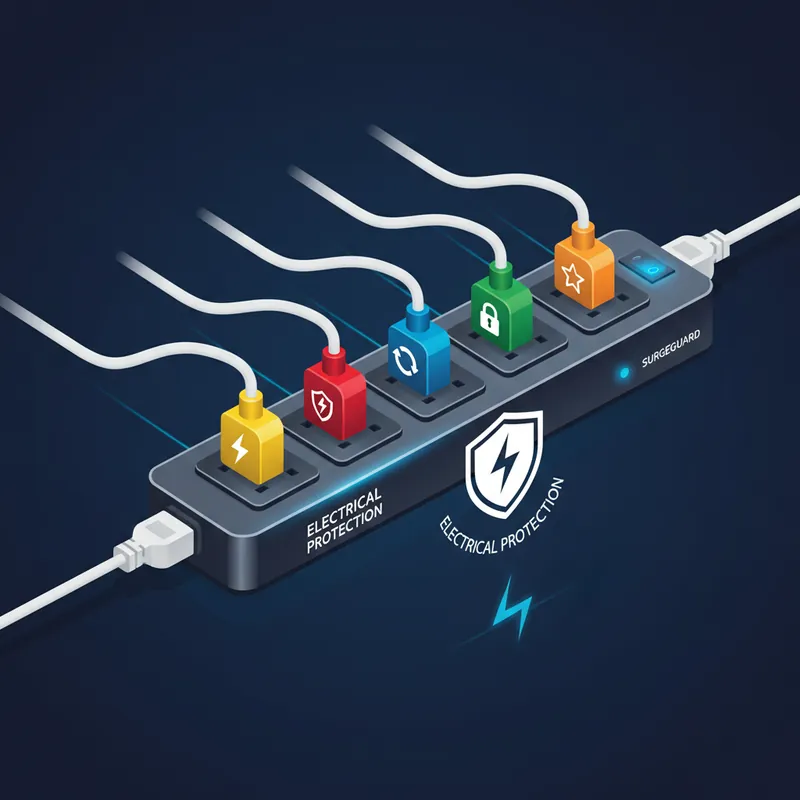
Power surges are one of the leading causes of electronics failure. A single surge can instantly destroy TVs, computers, gaming consoles, and other valuable electronics. Understanding how surges work and how to protect against them can save you significant repair or replacement costs.
What is a Power Surge?
A power surge is a brief spike in electrical voltage above the normal 120 volts that power your outlets. These spikes can range from minor fluctuations to massive surges of thousands of volts.
Common Causes
External sources:
- Lightning strikes (even nearby ones)
- Power grid switching by utilities
- Downed power lines
- Power restoration after outages
- Accidents affecting power lines
Internal sources (most surges come from inside):
- Large appliances cycling on and off
- HVAC systems starting up
- Refrigerators and freezers
- Washing machines and dryers
- Power tools
How Surges Damage Electronics
Modern electronics contain sensitive components that operate at precise voltages:
- Semiconductor damage - Transistors and chips can be destroyed instantly
- Capacitor damage - Weakened by repeated small surges
- Data loss - Computer storage can be corrupted
- Cumulative damage - Small surges weaken components over time
- Complete failure - Major surges destroy devices instantly
The most frustrating aspect is that surge damage often isn’t visible. A device may work for days or weeks after a surge before failing.
Surge Protection Options
Basic Surge Protector Power Strips
The most common protection option:
What to look for:
- Joule rating (higher is better, 1000+ for basic, 2000+ for better)
- UL 1449 certification
- Clamping voltage (lower is better, 400V or less)
- Response time (faster is better)
- Status indicator lights
- Connected equipment warranty
Limitations:
- Degrade with each surge absorbed
- Need replacement every 3-5 years
- Large surges can overwhelm them
- Don’t protect against all surge types
Uninterruptible Power Supply (UPS)
A step up from basic surge protectors:
Benefits:
- Surge protection included
- Battery backup during outages
- Prevents abrupt power loss
- Often includes voltage regulation
- Cleaner power for sensitive equipment
Best for:
- Computers and workstations
- Network equipment
- Gaming setups
- Home theater systems
- Any device that shouldn’t lose power suddenly
Whole-Home Surge Protection
Installed at your electrical panel:
Benefits:
- Protects everything in the home
- Handles larger surges
- Protects hardwired appliances
- Works with point-of-use protection
Limitations:
- Requires professional installation
- More expensive upfront
- Doesn’t replace point-of-use protection
- Some surges enter through other paths (cable, phone)
Combination Approach (Recommended)
For best protection, layer your defenses:
- Whole-home surge protector at the panel
- Quality surge protectors at each electronics location
- UPS units for computers and critical equipment
- Coaxial and phone line protection for those entry points
Signs Your Surge Protector Has Failed
Surge protectors wear out. Watch for:
- Protection indicator light is off
- Devices connected to it have failed
- Visible damage or burn marks
- It’s more than 3-5 years old
- You know a major surge occurred
When in doubt, replace it. A $30 surge protector is cheap insurance.
What to Do After a Power Surge
If you suspect a surge has occurred:
- Check surge protectors - Are indicator lights still on?
- Inspect devices - Look for obvious damage, burning smells
- Test equipment - Turn on devices one at a time
- Monitor for problems - Watch for erratic behavior over following days
- Replace surge protectors that absorbed a significant surge
What We See in the Shop
Common surge-related repairs we perform:
- TV power supply replacement - Very common after storms
- Computer power supply failure - Usually obvious after a surge
- Capacitor damage - Can cause devices to fail days later
- Audio equipment repair - Amplifiers and receivers are vulnerable
- Gaming console power issues - Surge damage is common
We often see devices come in after storms or power outages. If your electronics failed around the same time, a surge is the likely culprit.
Prevention Tips
Protect your electronics:
- Unplug during storms - The only 100% protection against lightning
- Don’t daisy-chain surge protectors
- Replace aging protectors - Every 3-5 years
- Protect all entry points - Cable, phone, ethernet
- Consider whole-home protection - Especially in surge-prone areas
Worth the Investment?
Consider what you’re protecting:
- Modern TVs: $500-$2000+
- Gaming consoles: $300-$500
- Computers: $500-$2000+
- Home theater receivers: $300-$2000+
- Sound systems: $200-$1000+
A $50-100 surge protector protecting thousands of dollars of equipment is excellent insurance.
After a Surge
If your electronics have stopped working after a power event, bring them in for a free diagnosis. Surge damage is often repairable - usually involving power supply or capacitor replacement - and much cheaper than buying new equipment.
Tags:
Need Professional Help?
If you've tried these troubleshooting steps and your device still isn't working, we're here to help. Bring it in for a free diagnosis - we'll figure out what's wrong and give you a clear estimate before any work begins.
Get a Free Diagnosis